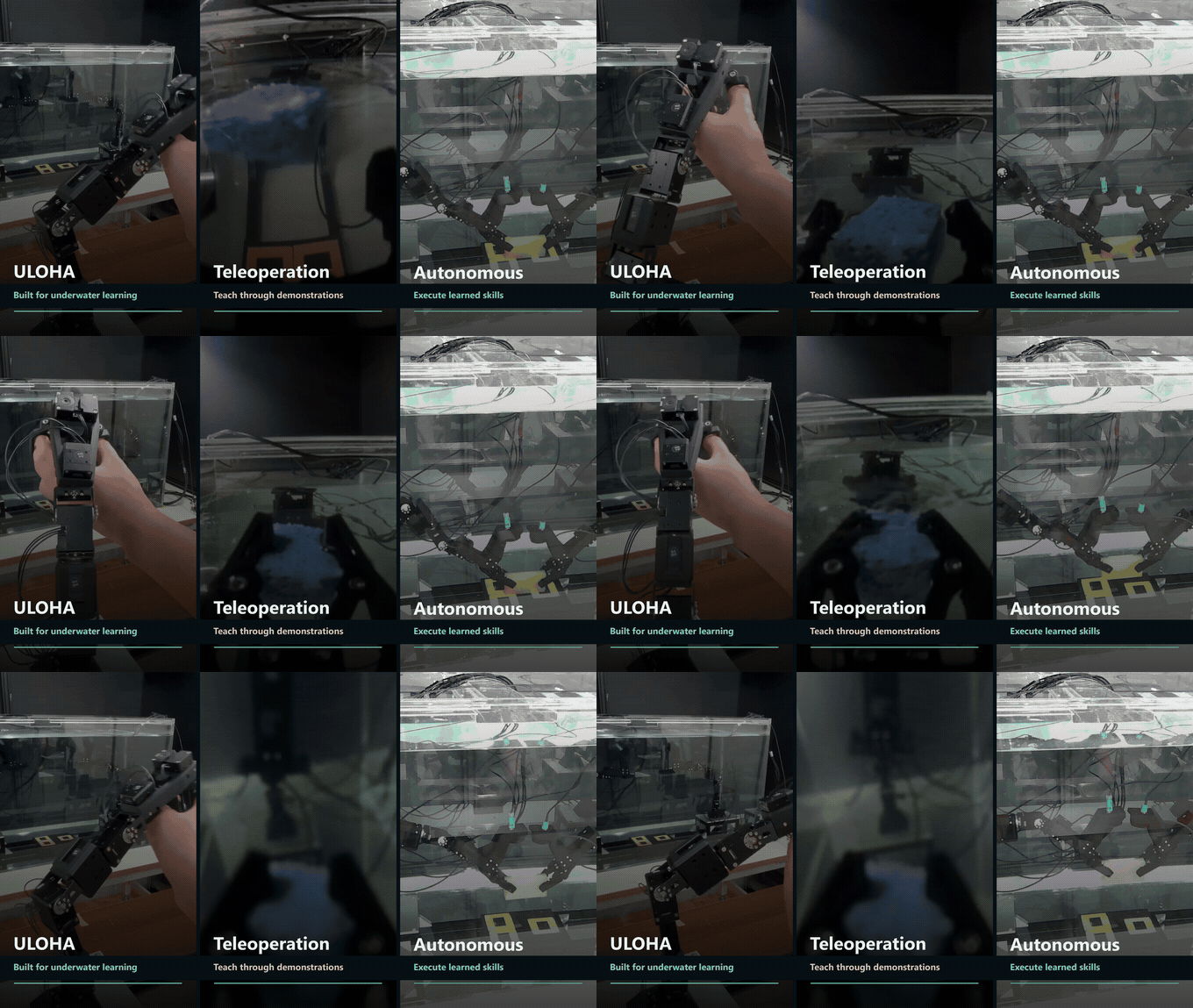
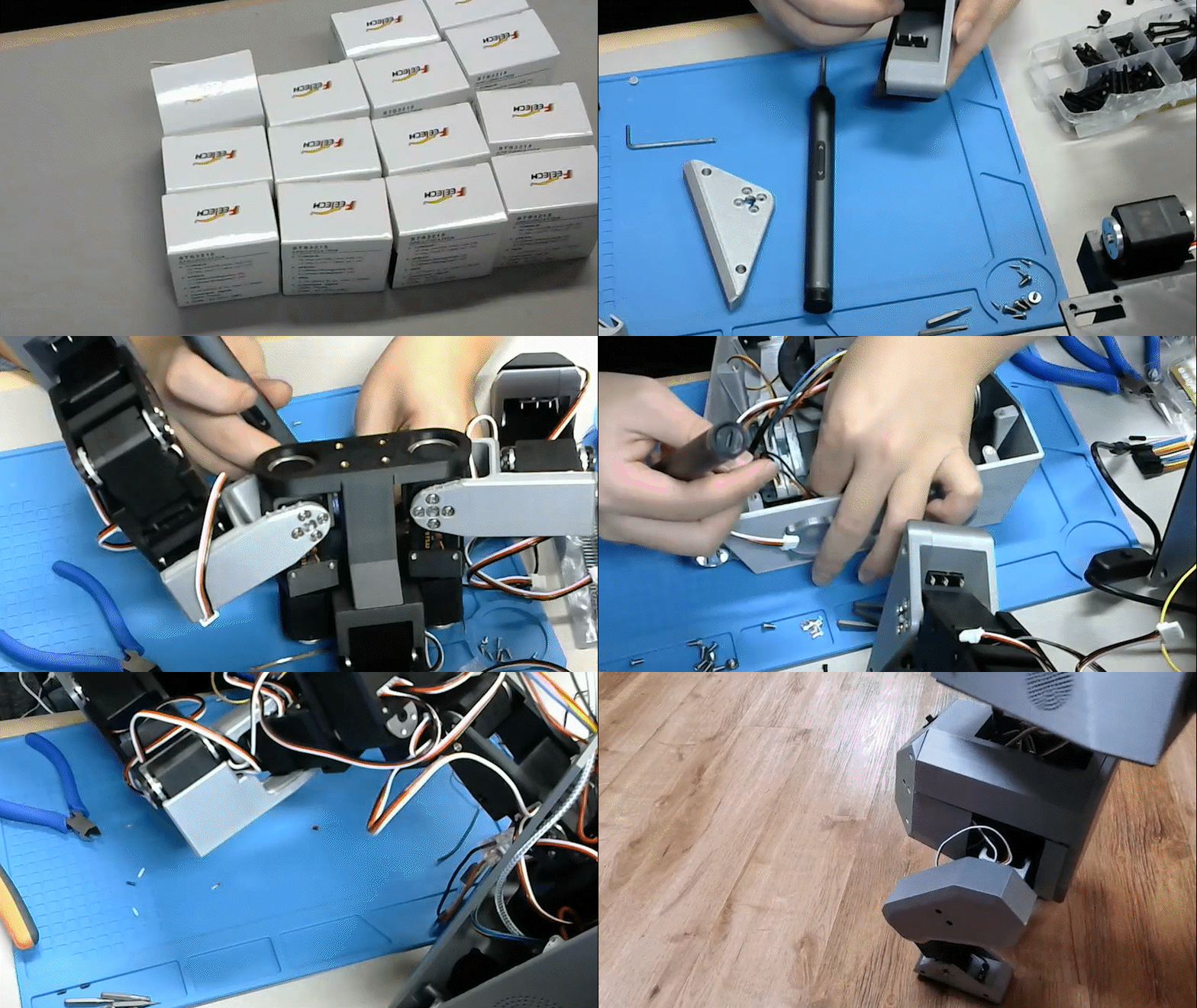
ULOHA: An Underwater Bimanual Robot System for Robot Learning
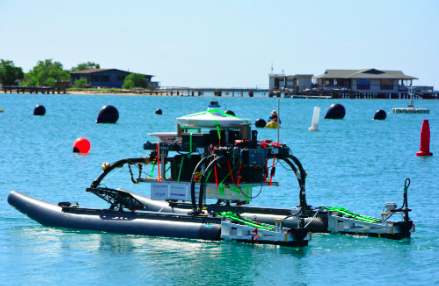
An underwater bimanual robot learning platform combining custom leader-follower hardware with software that extends LeRobot for underwater bimanual teleoperation, demonstration recording, and autonomous execution. ACT is evaluated on nine underwater tasks, while Diffusion Policy and SmolVLA are deployed on selected tasks. Additional experiments examine buoyancy-driven manipulation, bubble disturbances, execution timing, real-time chunking (RTC) with SmolVLA, and transfer between air and water. The hardware designs and software are planned for open-source release.
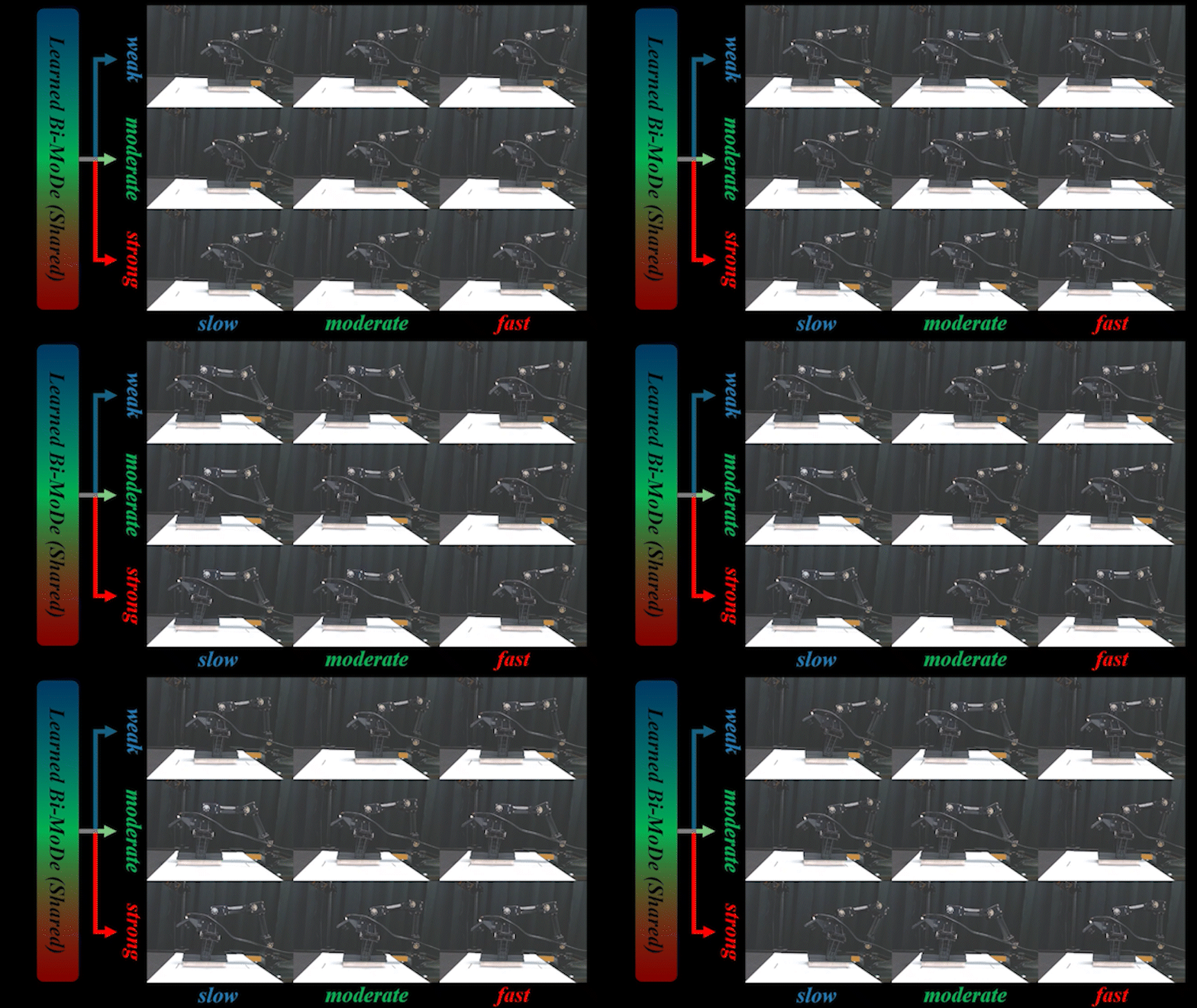
Bi-MoDe: Bilateral Control-based Imitation Learning via Modifier-Conditioned Decoding for Modulation of Execution Speed and Contact Intensity
A framework that lets the operator specify how a learned task is executed — execution speed and contact intensity — at inference time. The constrained latent aligned with modifier directives is injected into every layer of the Transformer action decoder via adaLN-Zero, substantially improving physical directive following on a real-world whiteboard wiping task.
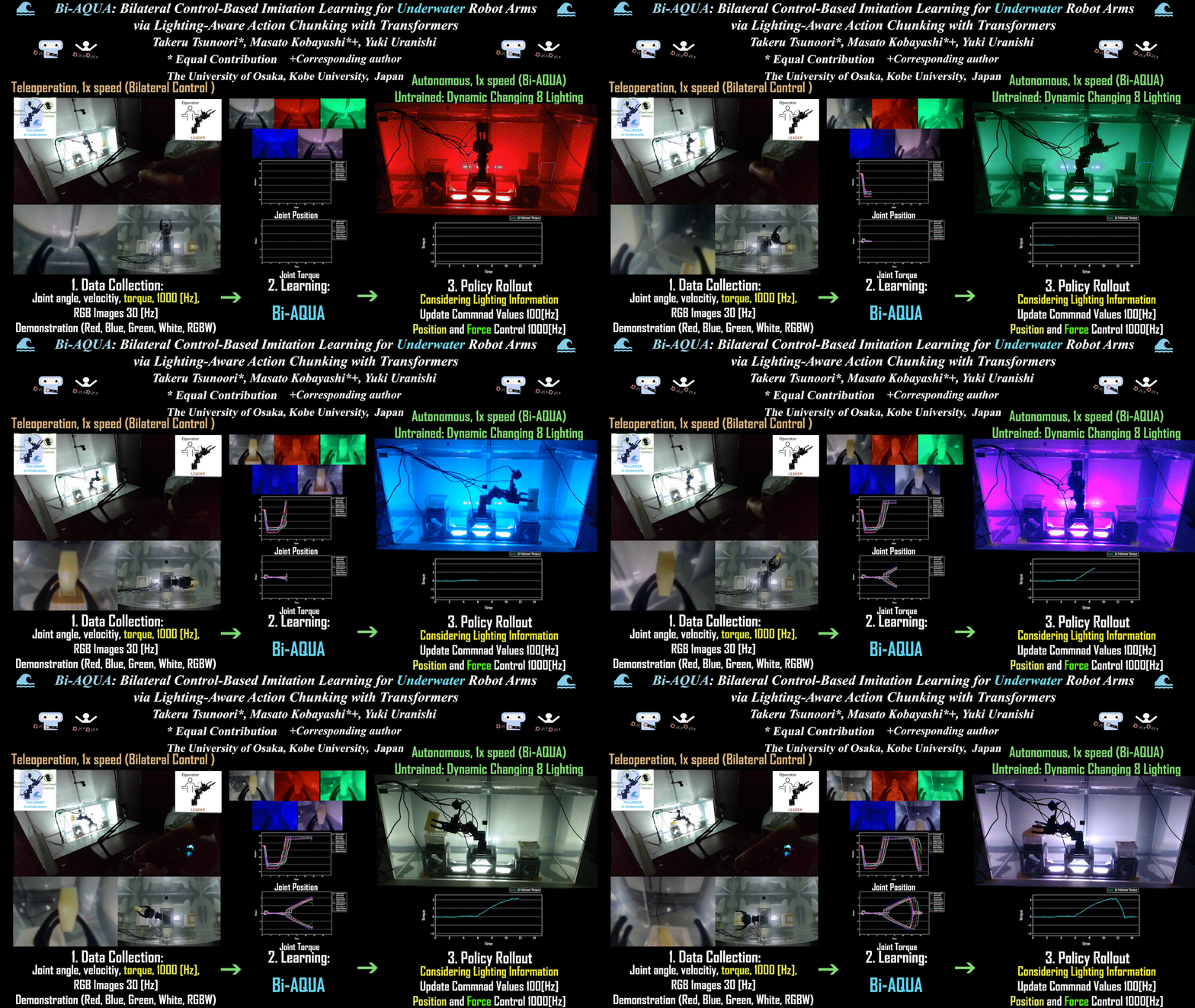
Bi-AQUA: Bilateral Control-Based Imitation Learning for Underwater Robot Arms via Lighting-Aware Action Chunking with Transformers
The world’s first bilateral control-based imitation learning for underwater environments realized in the real world. Robot learning model based on underwater/above-water images, lighting, position, and force information, with autonomous operation via position and force control.
Bilateral Control-Based Multimodal Hierarchical Imitation Learning via Subtask-Level Progress Rate and Keyframe Memory for Long-Horizon Contact-Rich Robotic Manipulation
Bilateral control-based multimodal hierarchical imitation learning framework for long-horizon contact-rich manipulation. Integrates keyframe memory with subtask-level progress rate to stabilize hierarchical coordination; demonstrates consistent improvements over flat and ablated variants on unimanual and bimanual real-robot tasks.
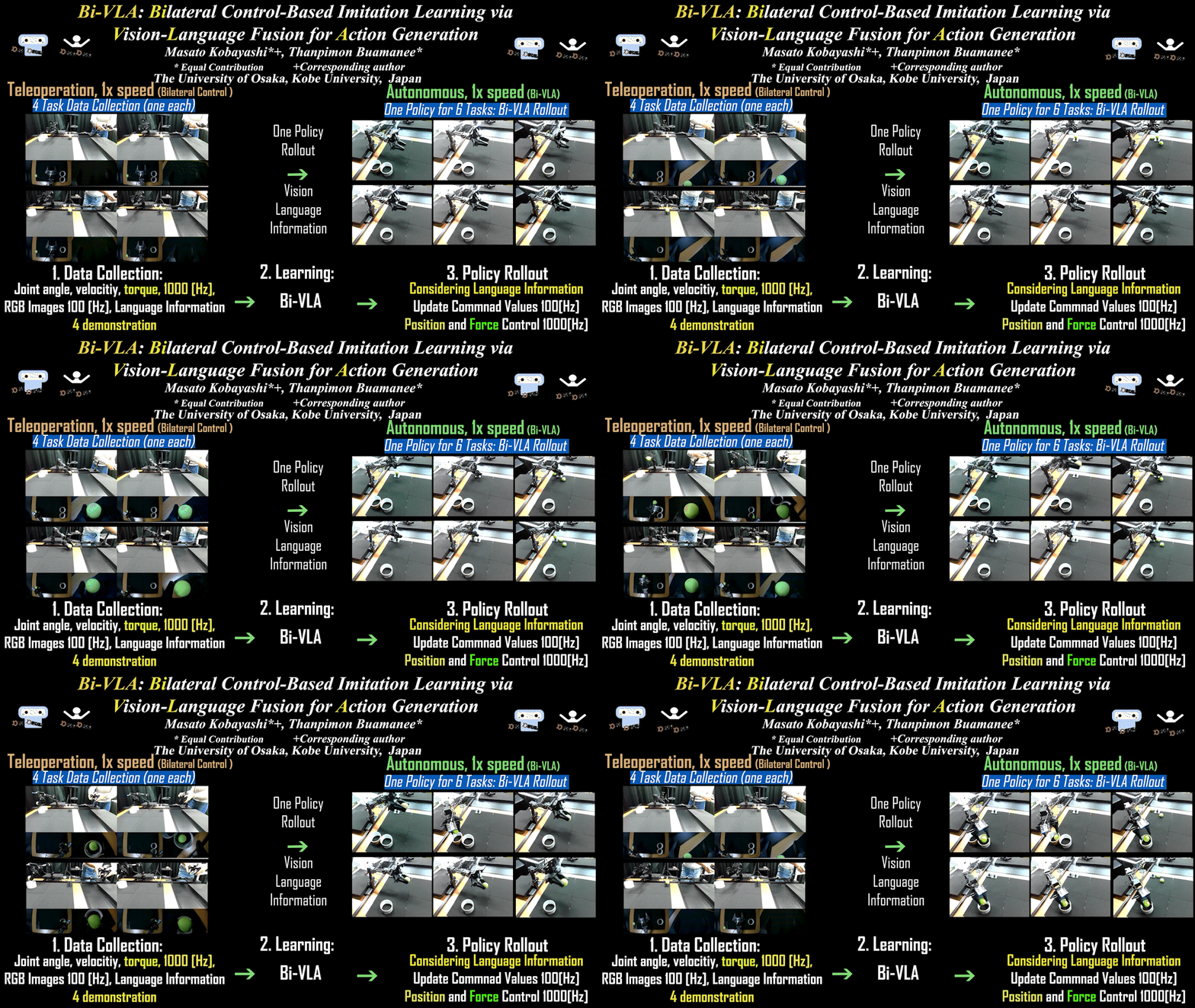
Bi-VLA: Bilateral Control-Based Imitation Learning via Vision-Language Fusion for Action Generation
Bilateral control-based imitation learning via language-guided visual information adjustment. Achieves action generation by integrating natural language instructions with visual information.
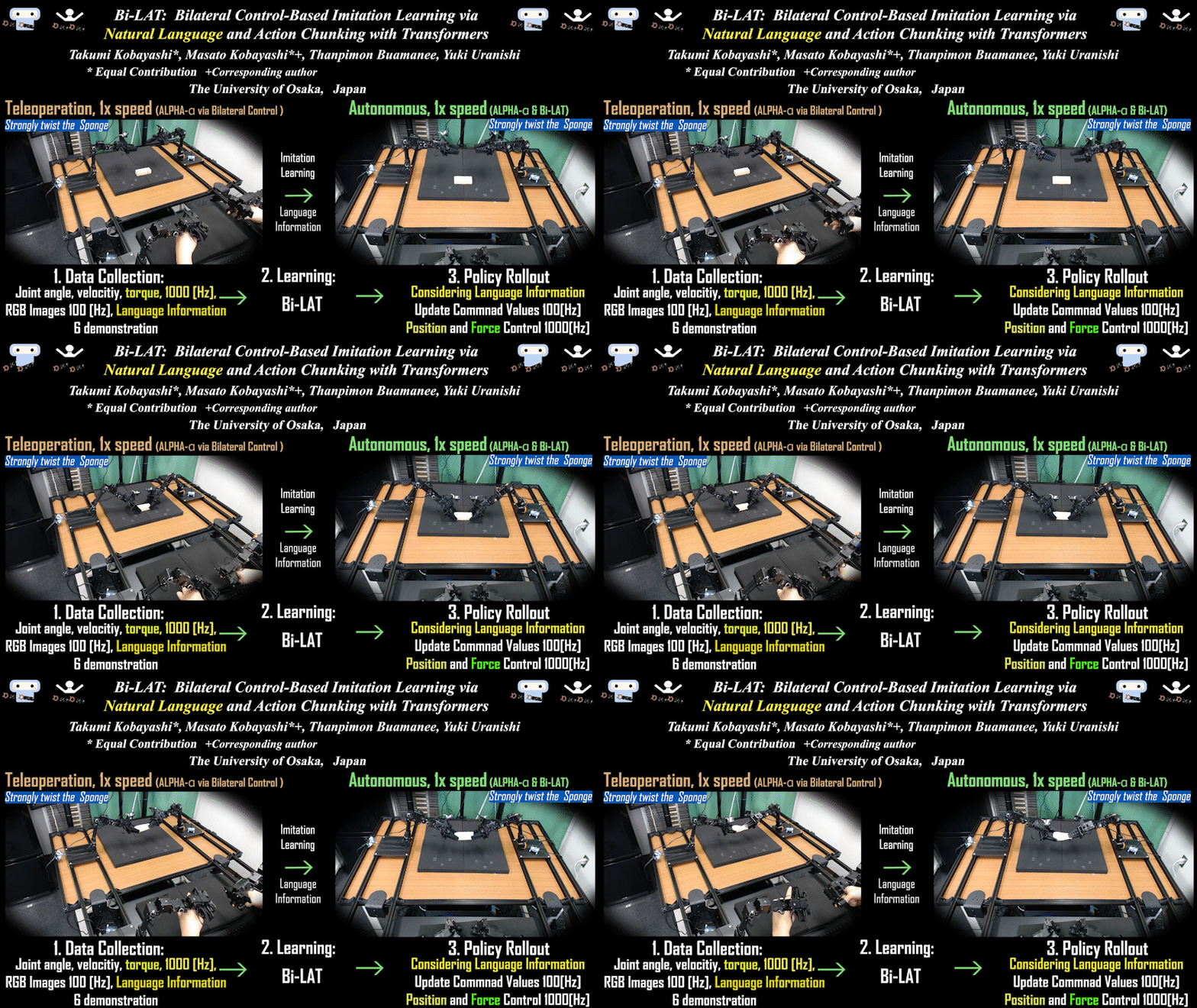
Bi-LAT: Bilateral Control-Based Imitation Learning via Natural Language and Action Chunking with Transformers
Bilateral control-based imitation learning combining natural language and action chunking. Achieves flexible robot manipulation with force consideration through language instructions.
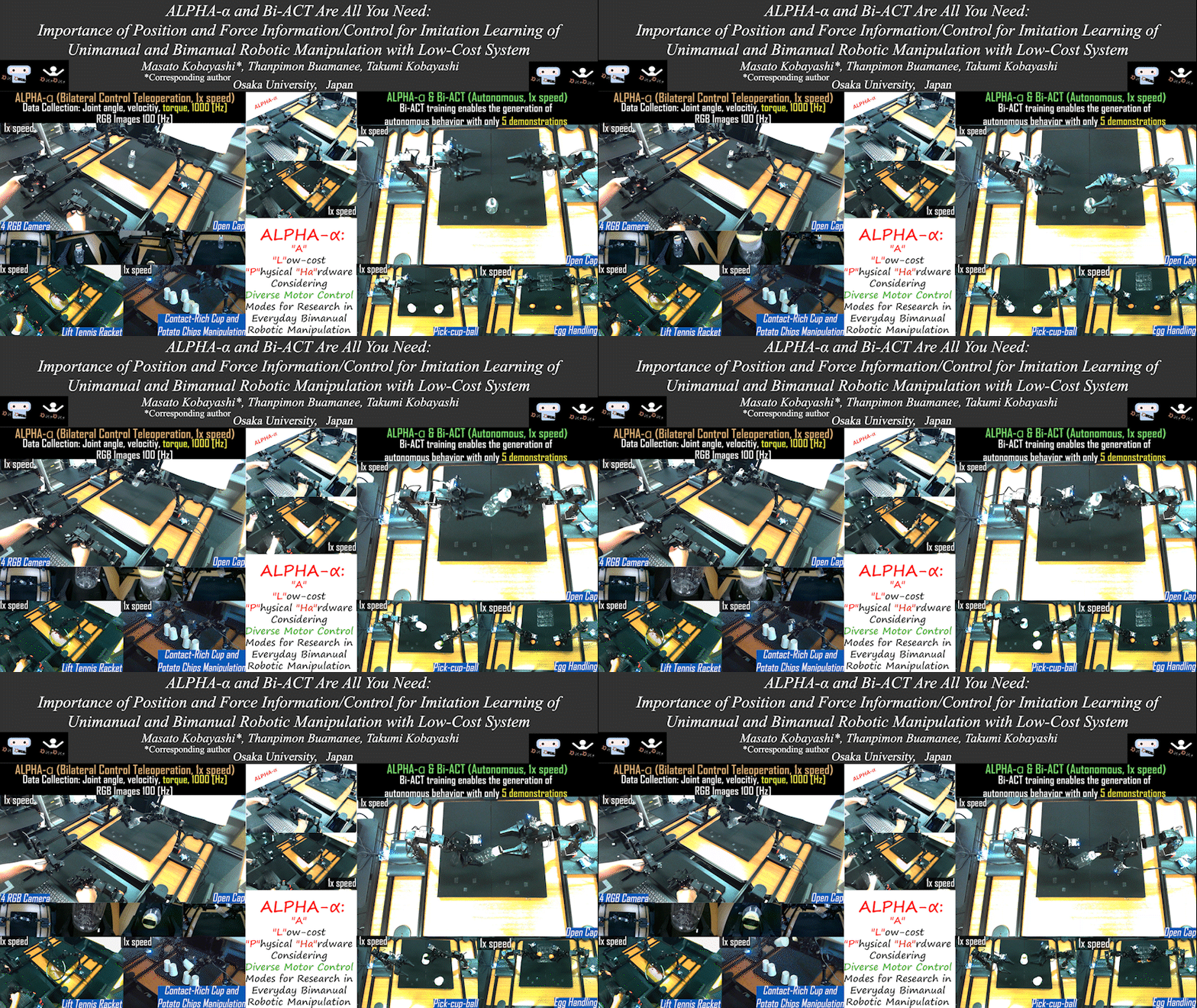
ALPHA-α and Bi-ACT Are All You Need: Importance of Position and Force Control and Information in Imitation Learning for Unimanual and Bimanual Robotic Manipulation
Proposes the importance of position and force control and information in low-cost single-arm and dual-arm robot manipulation for research in daily tasks. Demonstrates the effectiveness of bilateral control-based imitation learning Bi-ACT. Examples include egg transportation and bottle cap opening.
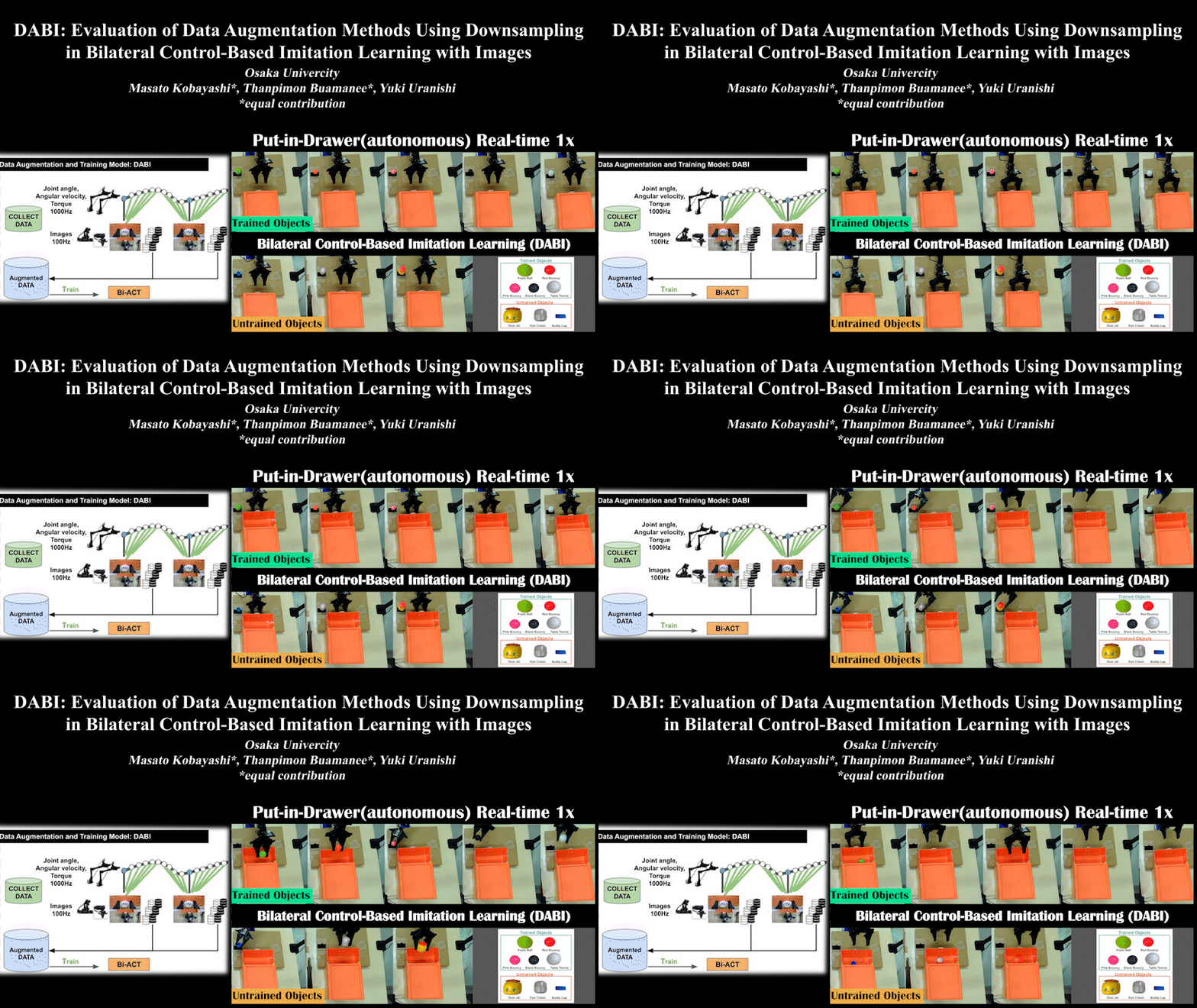
DABI: Evaluation of Data Augmentation Methods Using Downsampling in Bilateral Control-Based Imitation Learning with Images
Evaluation of data augmentation methods using downsampling in bilateral control-based imitation learning with images. Addresses different sensor frequencies.
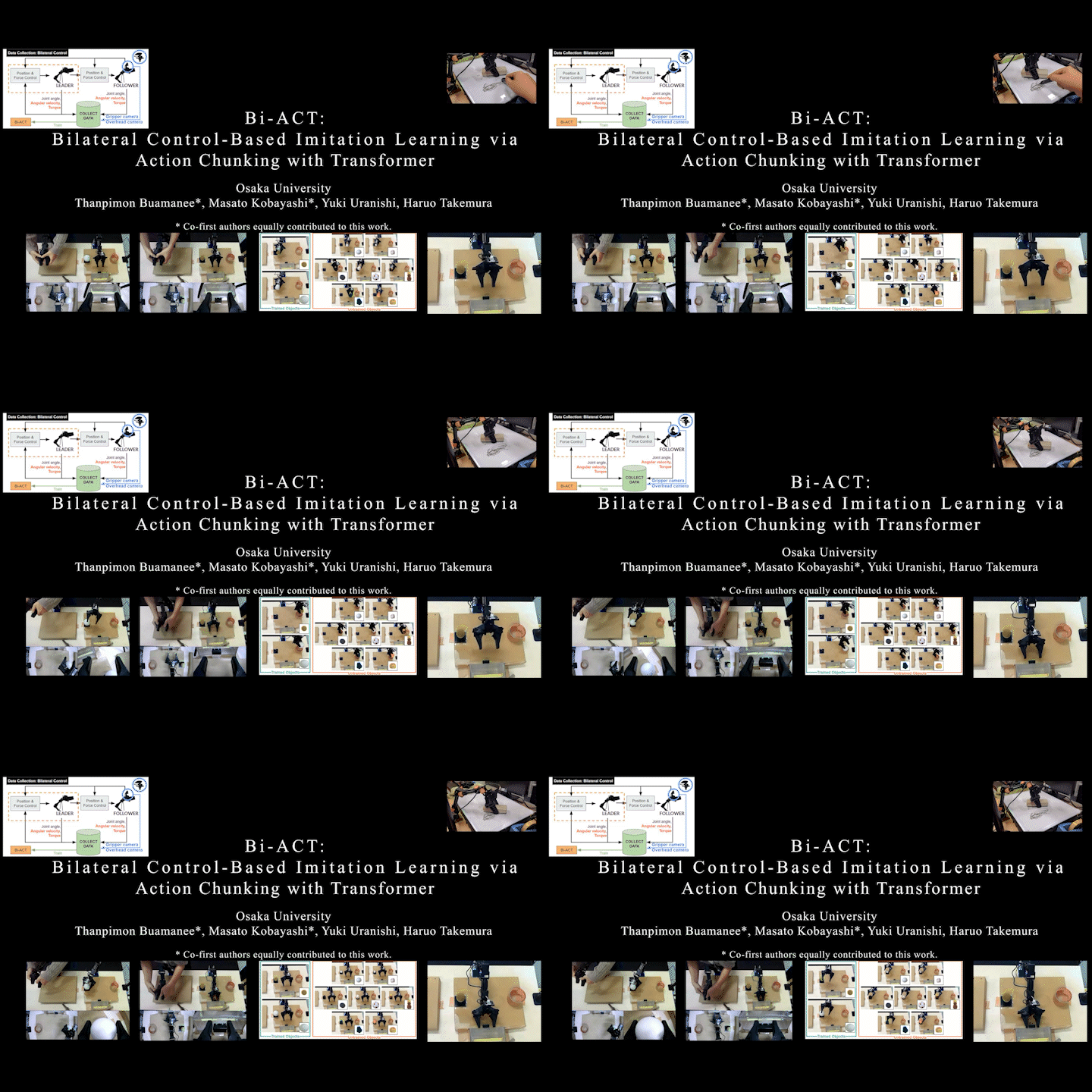
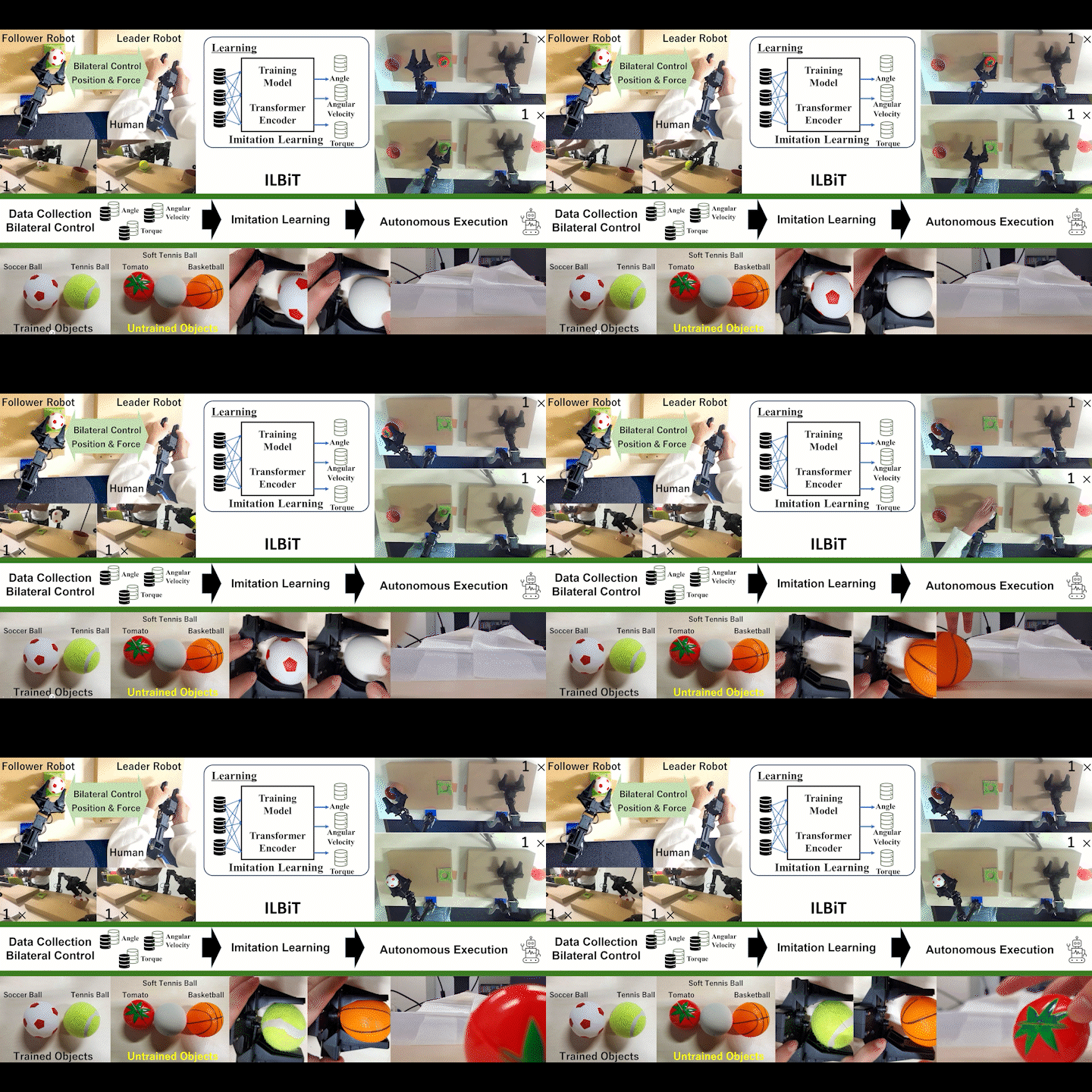
Bi-ACT: Bilateral Control-Based Imitation Learning via Action Chunking with Transformer
Proposes Bi-ACT, which fuses the well-known Action Chunking with Transformers (ACT) from ALOHA/ACT with bilateral control-based imitation learning using position and force control. The importance of force control for generalization to unseen objects became clear.
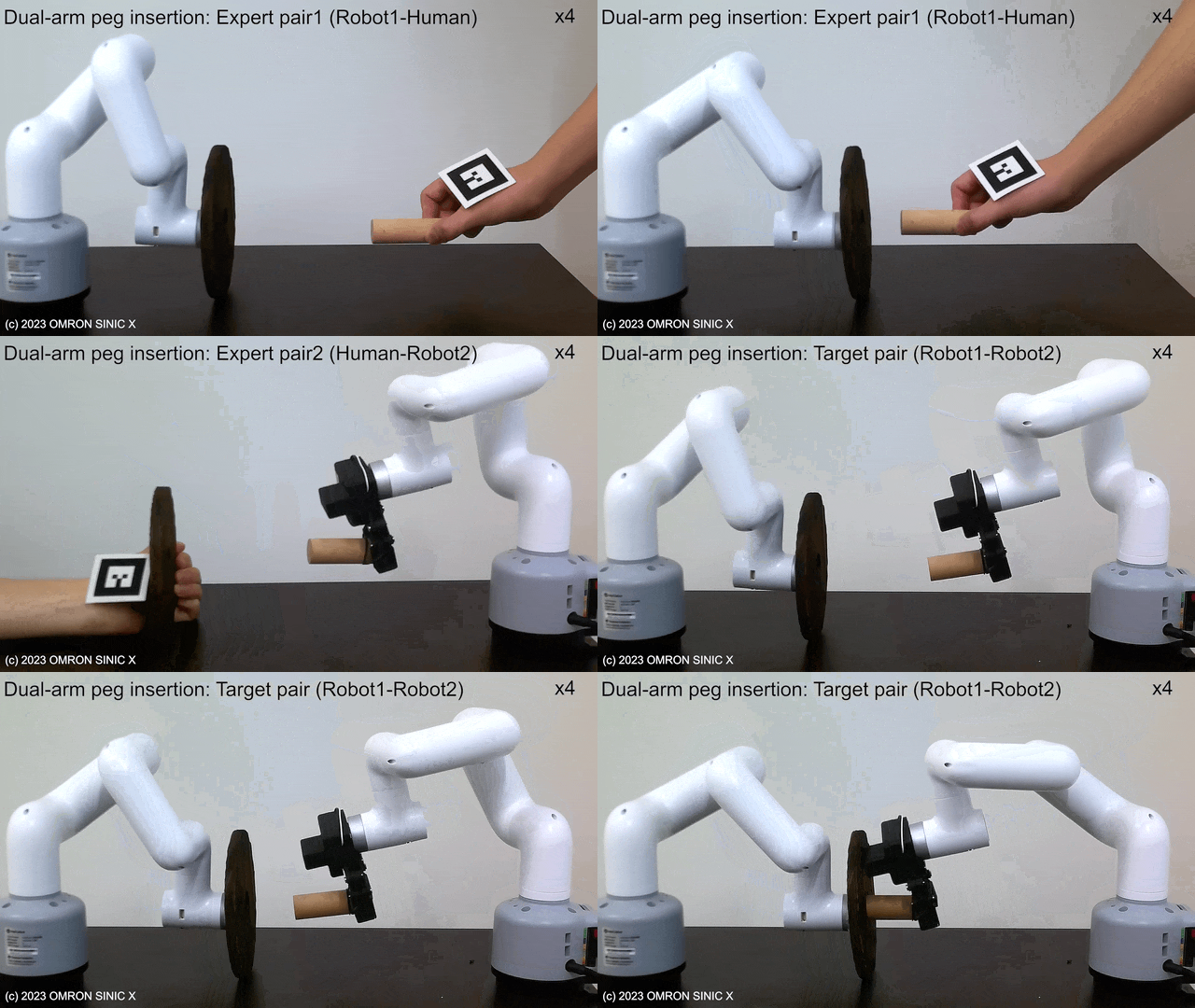
LfDT: Learning Dual-Arm Manipulation from Demonstration Translated from a Human and Robotic Arm
Proposes LfDT, a framework for dual-arm coordination tasks that performs domain translation from human-robot demonstration data pairs to robot-robot demonstration data, enabling imitation learning. Cross-domain correspondence in a CycleGAN-like manner.
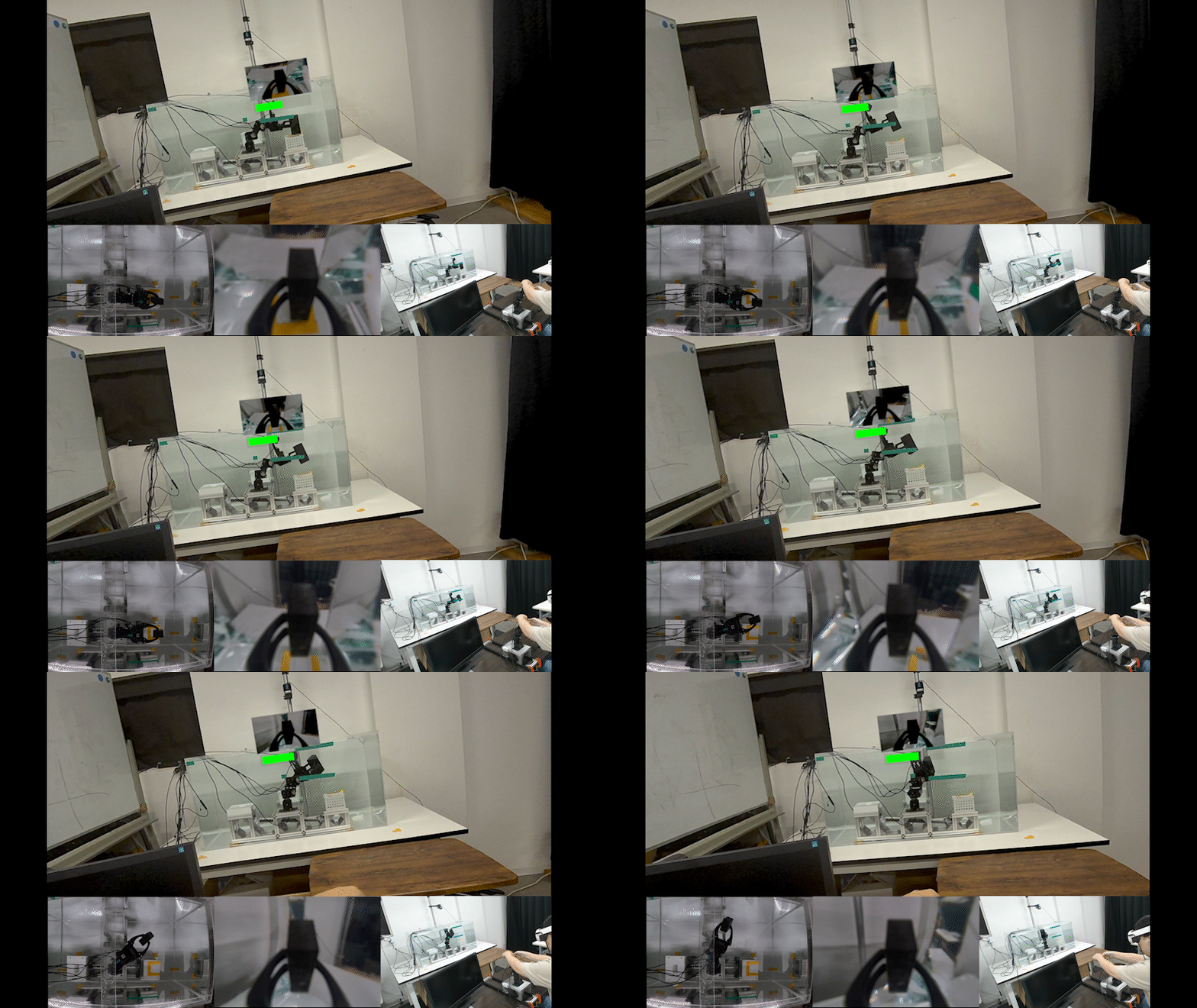
MR-GLi: Mixed Reality-Based Gripper-Linked Overlays for Underwater Robot Arm Teleoperation via Bilateral Control
An MR interface for underwater robot arm teleoperation that spatially registers the reaction torque indicator and wrist-camera image to the gripper. In a within-subject study with 20 participants, it significantly reduced the perceived burden of gaze shifting while maintaining torque-regulation performance, workload, and usability.
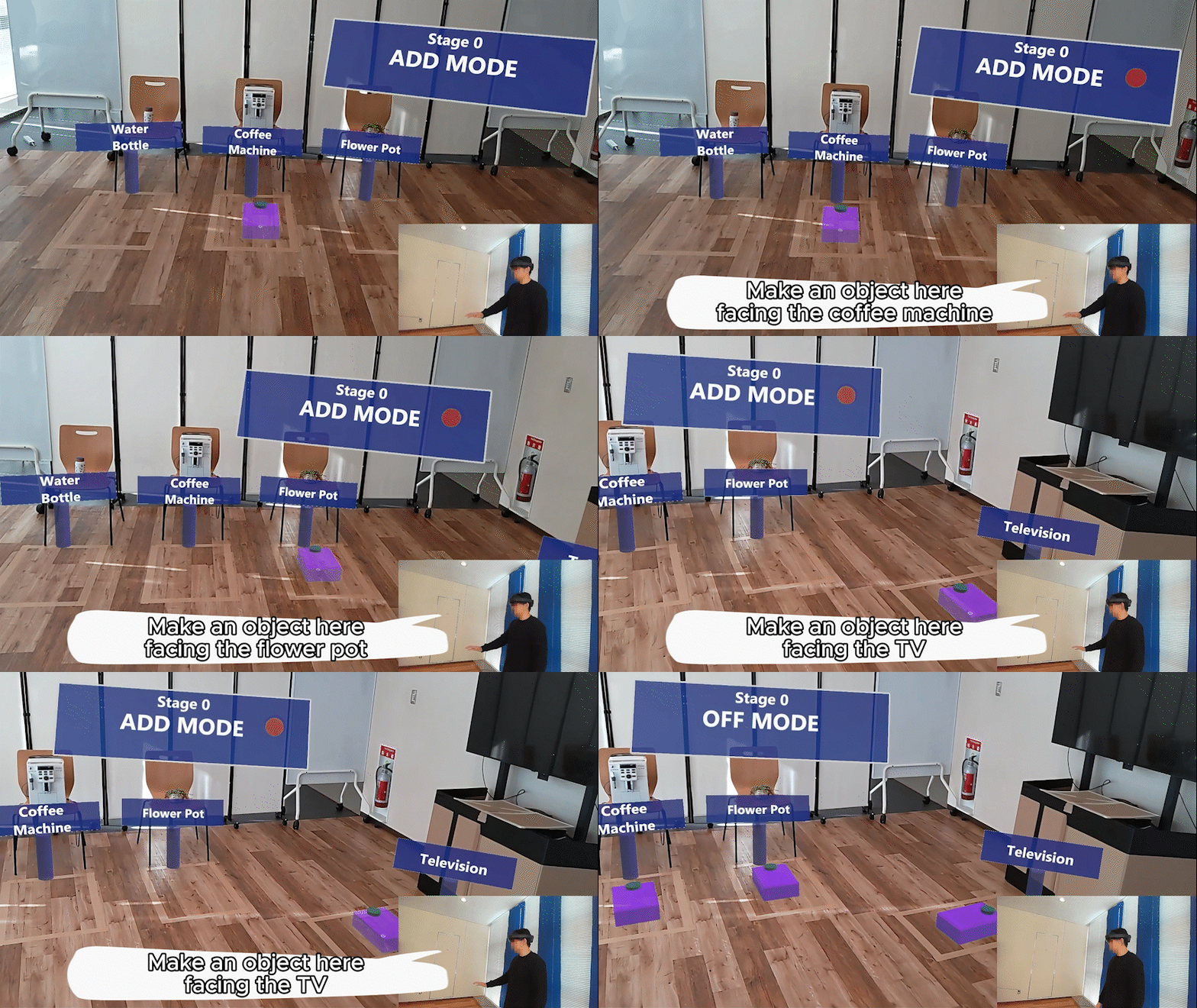
Mixed Reality-Based Robot Navigation Interface Using Spatial Pointing and Speech with Large Language Model
Mixed Reality (MR)-based robot navigation interface that replaces complex hand gestures with a natural, multimodal interface combining spatial pointing and LLM-based speech interaction. Significantly reduces task completion time and workload compared to conventional gesture-based MR systems.
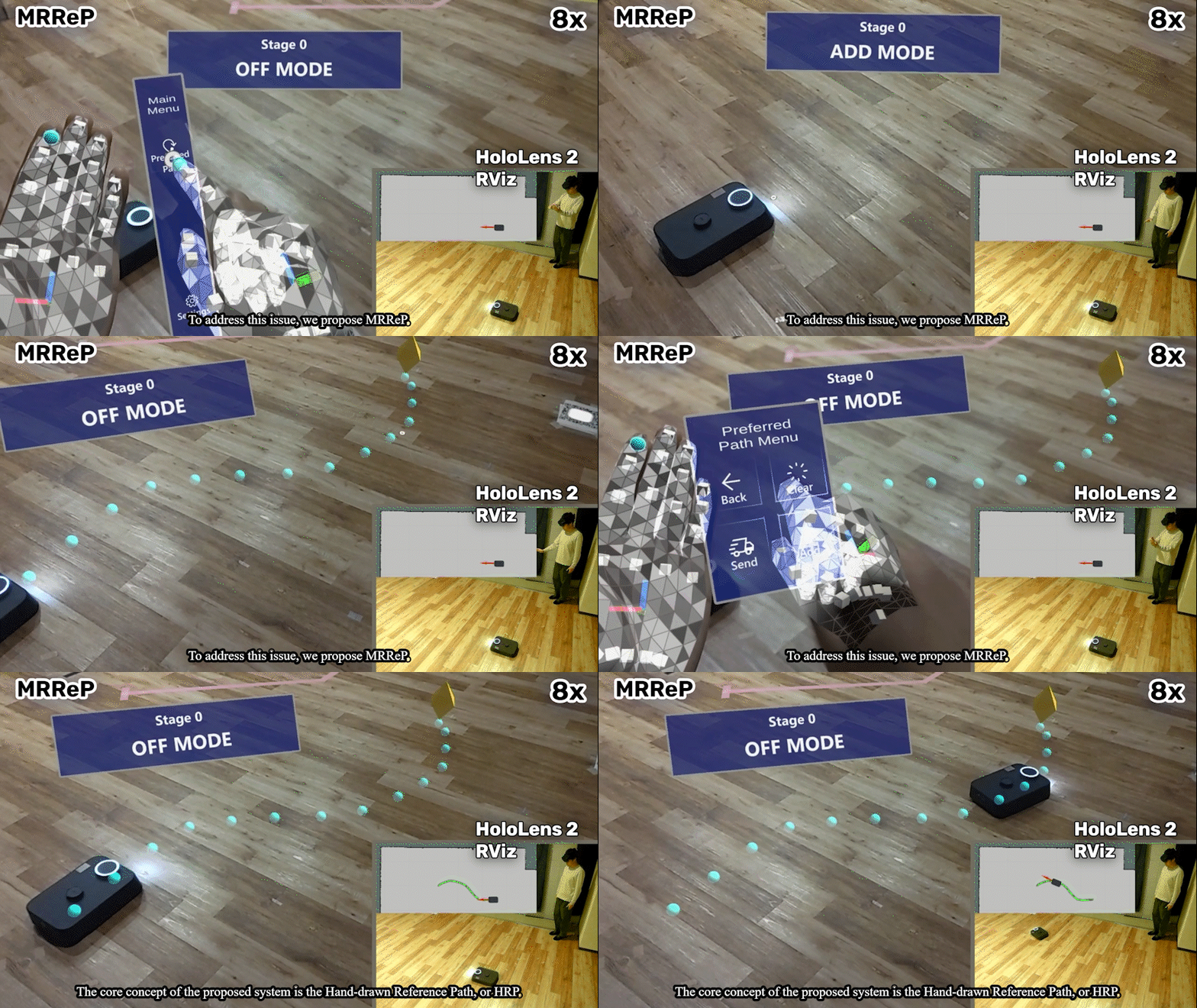
MRReP: Mixed Reality-based Hand-drawn Reference Path Editing Interface for Mobile Robot Navigation
A mixed-reality interface for mobile robots in which users draw a hand-drawn reference path (HRP) on the floor; a custom planner integrates it into the ROS 2 navigation stack for autonomous driving. In a within-subject study against a conventional 2D map interface, MRReP improved path-specification accuracy, usability, and perceived workload, and enabled more stable route specification in the physical environment.
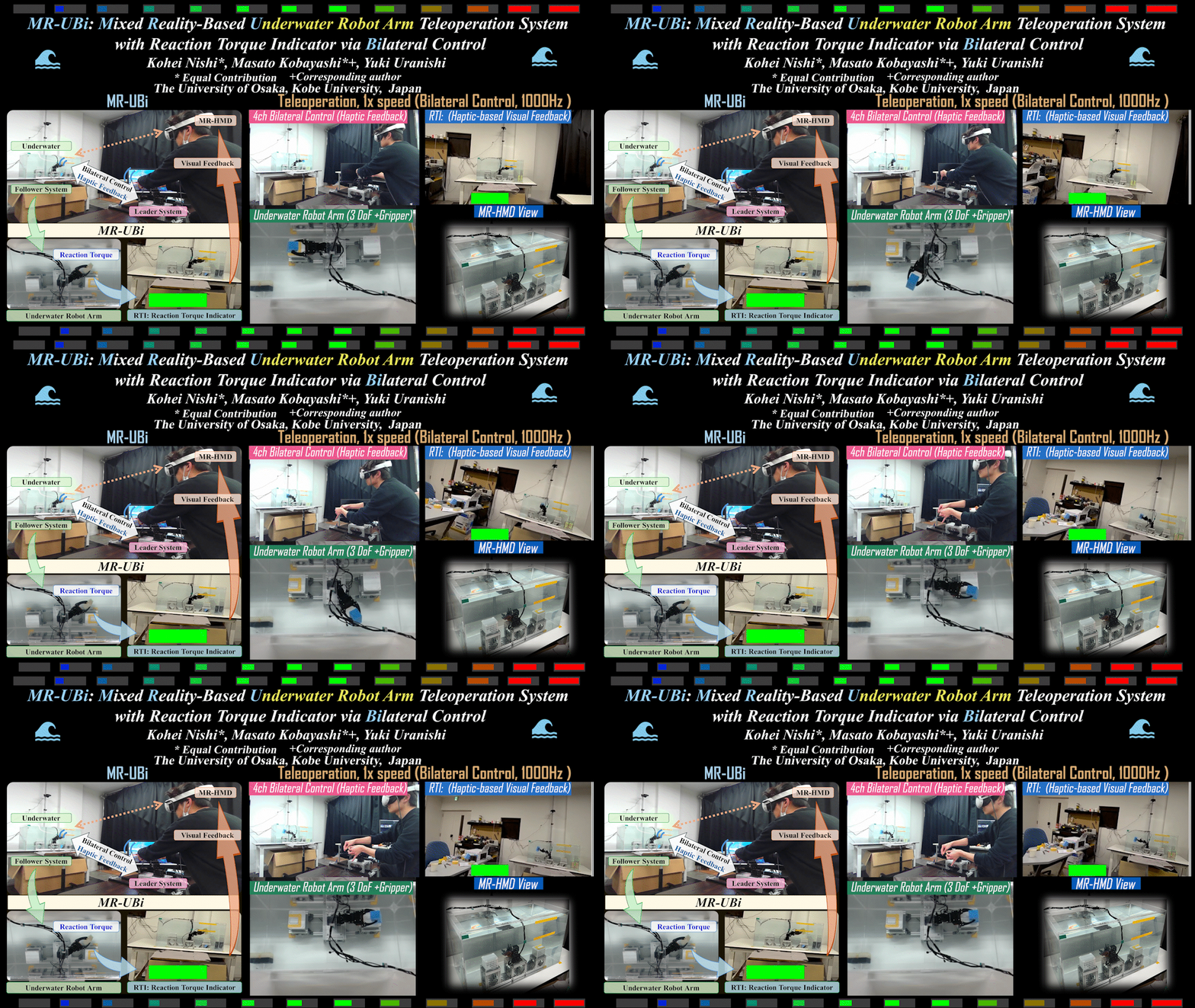
MR-UBi: Mixed Reality-Based Underwater Robot Arm Teleoperation System with Reaction Torque Indicator via Bilateral Control
Mixed Reality (MR)-based underwater robot arm teleoperation system with reaction torque indicator for underwater environments. Achieves intuitive operation via bilateral control.
EmoLo: Emotion-Inspired Expressive Locomotion via Single-Policy Reinforcement Learning on Low-Cost Bipedal Robots
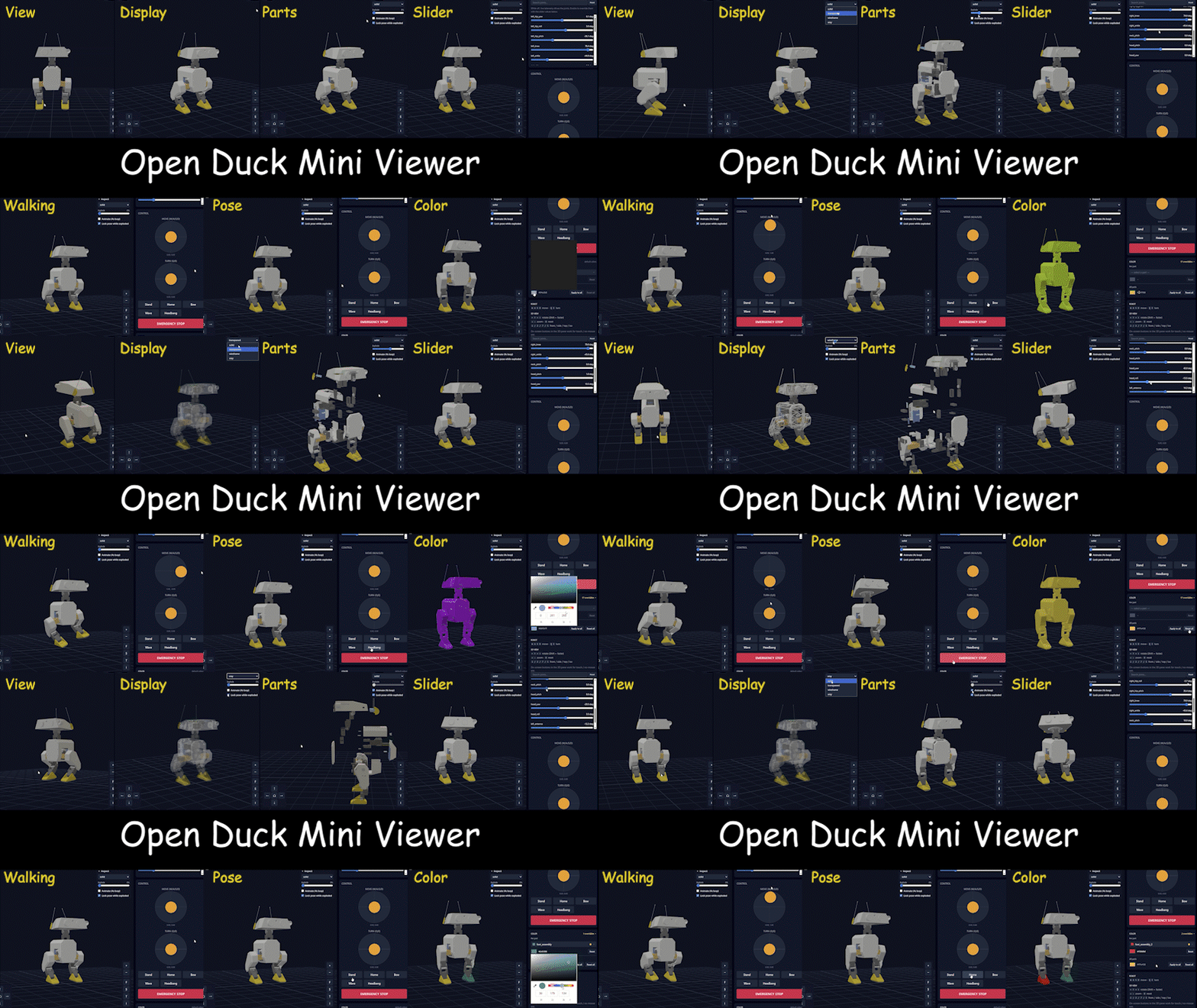
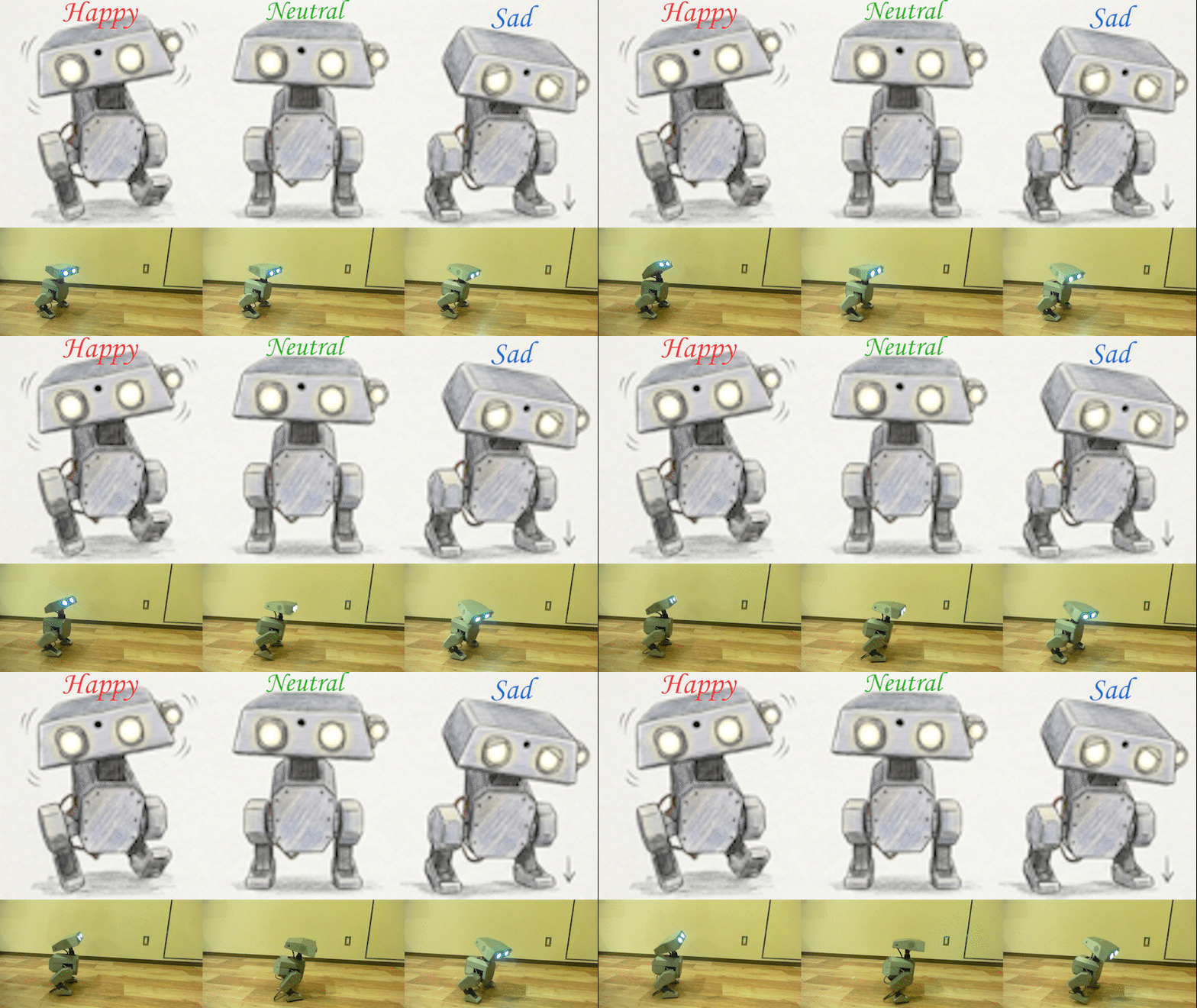
Style-conditioned reinforcement learning for emotion-inspired expressive locomotion on the low-cost bipedal robot Open Duck Mini V2. Three discrete styles—Happy, Neutral, and Sad—are served by a single shared policy, with sim-to-real transfer via ONNX inference on hardware.
ULOHA: An Underwater Bimanual Robot System for Robot Learning
An underwater bimanual robot learning platform combining custom leader-follower hardware with software that extends LeRobot for underwater bimanual teleoperation, demonstration recording, and autonomous execution. ACT is evaluated on nine underwater tasks, while Diffusion Policy and SmolVLA are deployed on selected tasks. Additional experiments examine buoyancy-driven manipulation, bubble disturbances, execution timing, real-time chunking (RTC) with SmolVLA, and transfer between air and water. The hardware designs and software are planned for open-source release.
Bi-AQUA: Bilateral Control-Based Imitation Learning for Underwater Robot Arms via Lighting-Aware Action Chunking with Transformers
The world’s first bilateral control-based imitation learning for underwater environments realized in the real world. Robot learning model based on underwater/above-water images, lighting, position, and force information, with autonomous operation via position and force control.
MR-GLi: Mixed Reality-Based Gripper-Linked Overlays for Underwater Robot Arm Teleoperation via Bilateral Control
An MR interface for underwater robot arm teleoperation that spatially registers the reaction torque indicator and wrist-camera image to the gripper. In a within-subject study with 20 participants, it significantly reduced the perceived burden of gaze shifting while maintaining torque-regulation performance, workload, and usability.
MR-UBi: Mixed Reality-Based Underwater Robot Arm Teleoperation System with Reaction Torque Indicator via Bilateral Control
Mixed Reality (MR)-based underwater robot arm teleoperation system with reaction torque indicator for underwater environments. Achieves intuitive operation via bilateral control.
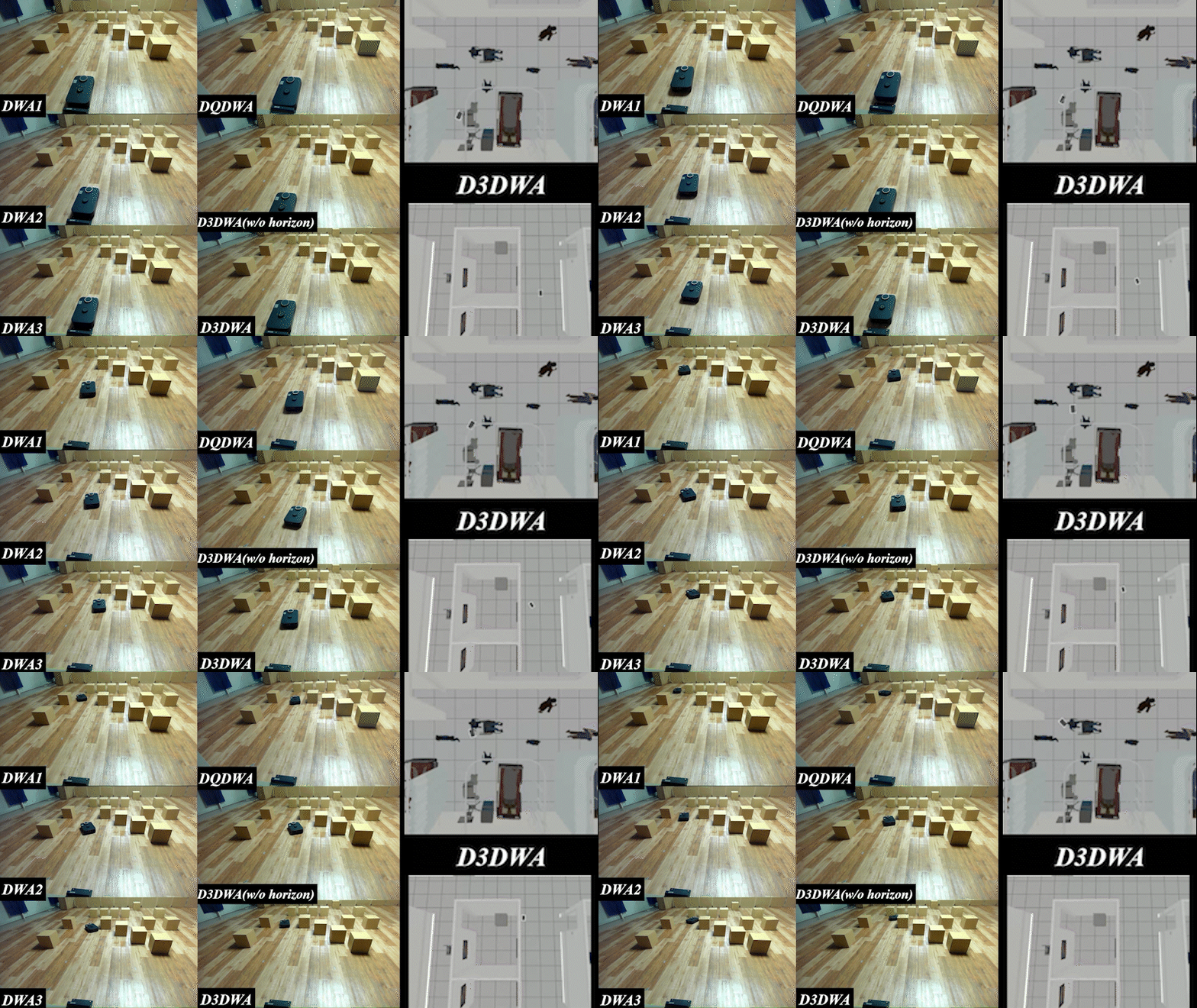
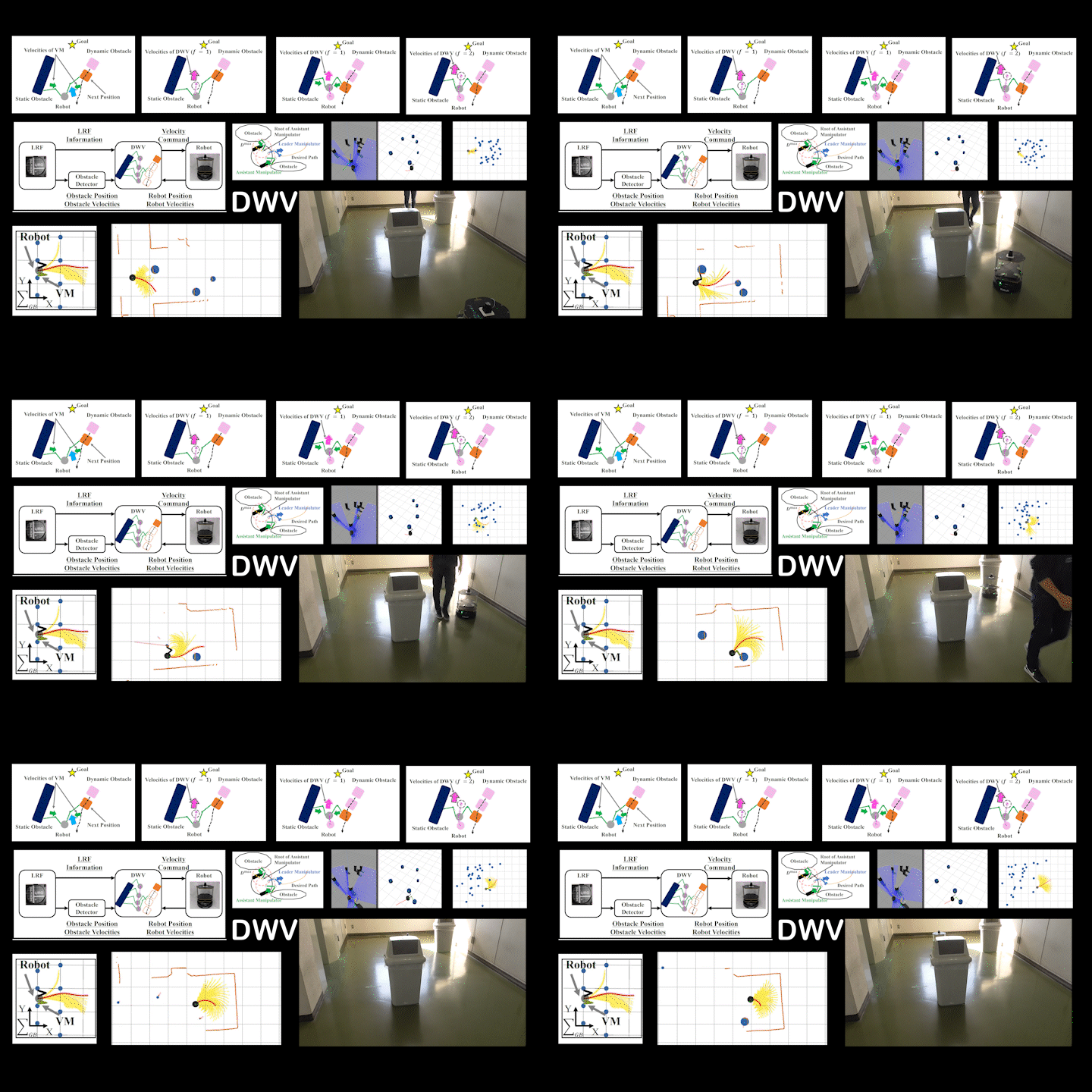
D3DWA: Adaptive Weight and Prediction-Horizon for Dynamic Window Approach via Dueling Double Deep Q-Network
Adaptive local path planning that jointly selects the DWA evaluation weights and prediction horizon at every control step using a Dueling Double Deep Q-Network. It reached the goal in all eight simulated environments and all three real-robot configurations.
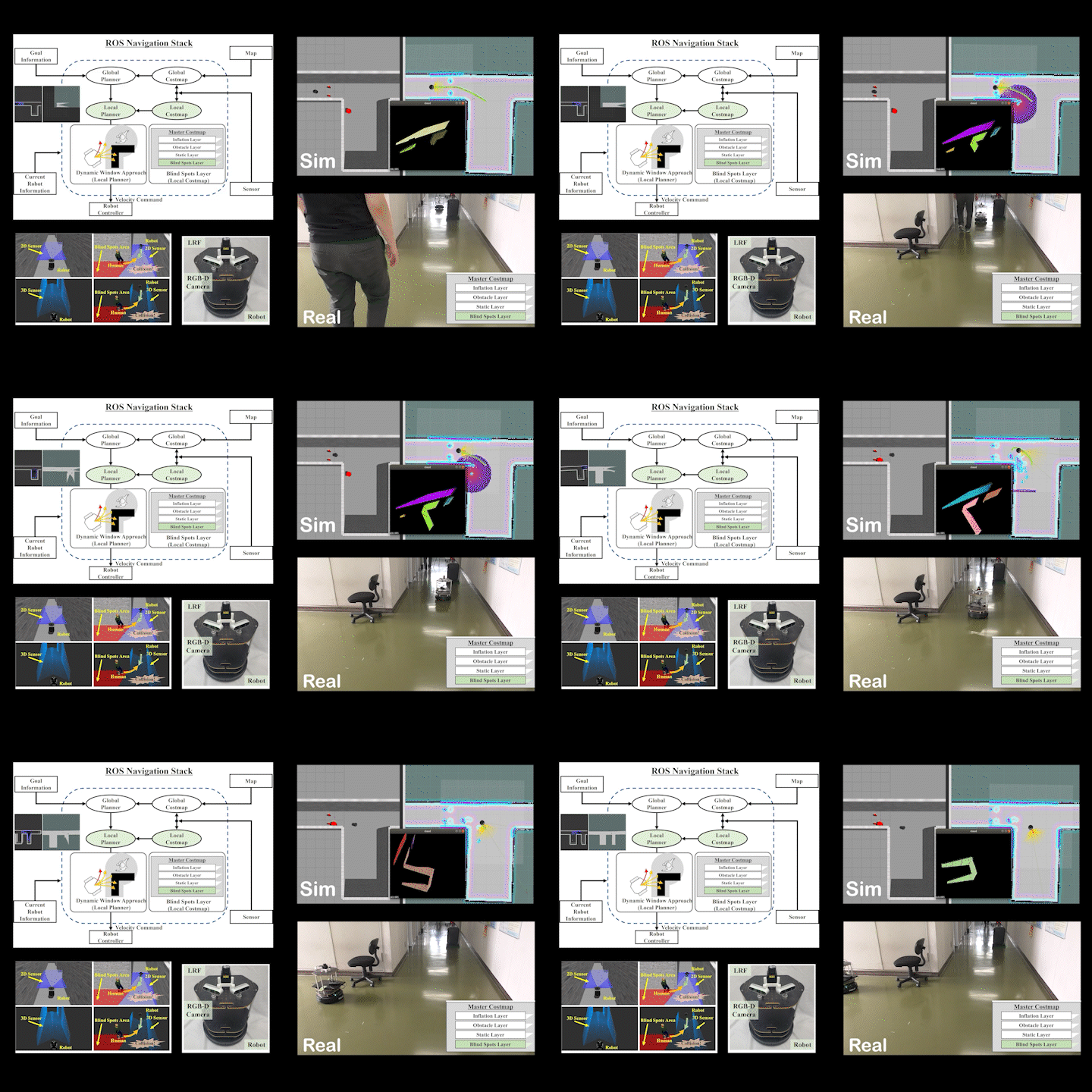
DQDWA: Local Path Planning: Dynamic Window Approach With Q-Learning Considering Congestion Environments for Mobile Robot
Local path planning for mobile robots considering congested environments via dynamic DWA parameter adjustment based on reinforcement learning (Q-Learning).
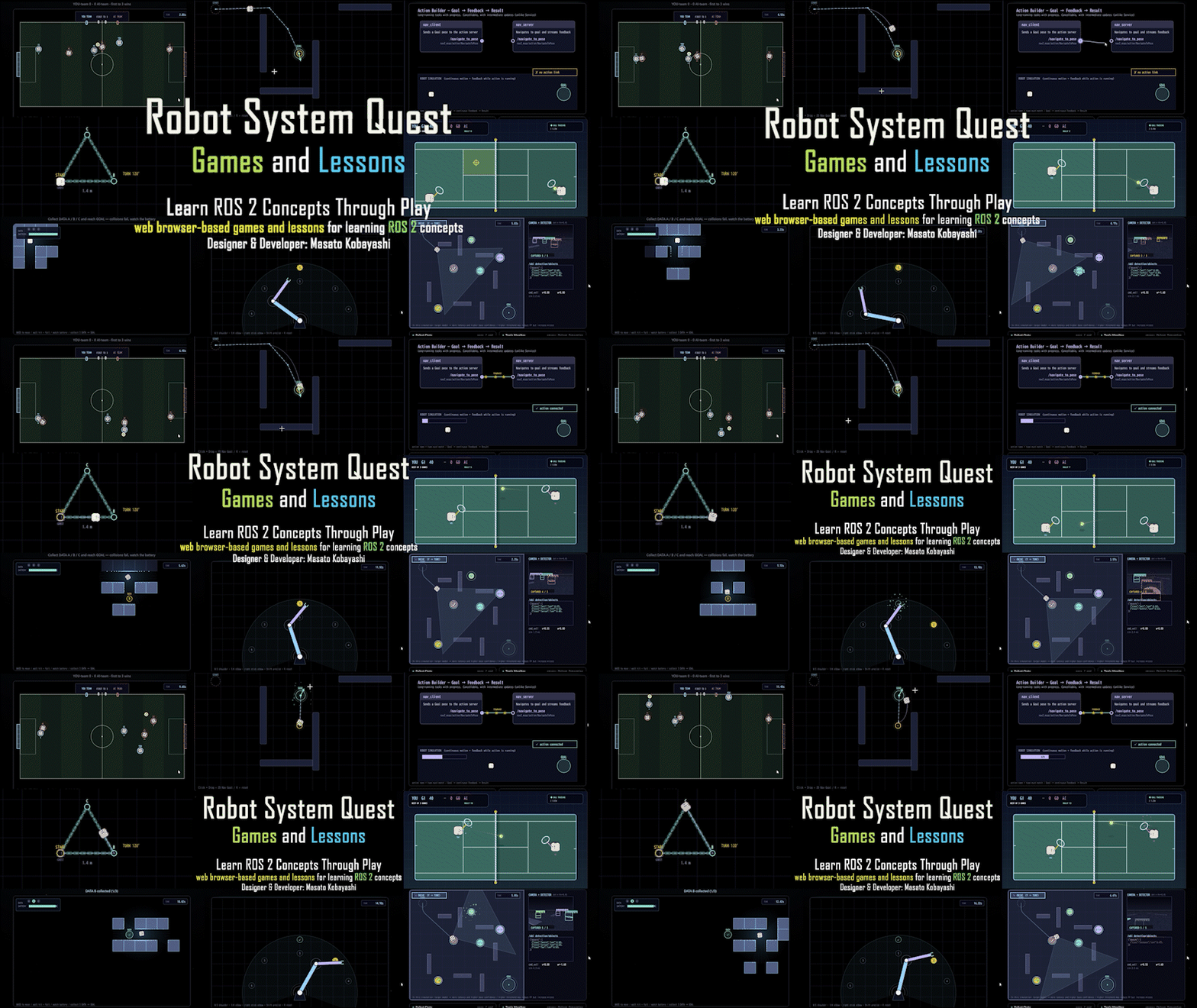
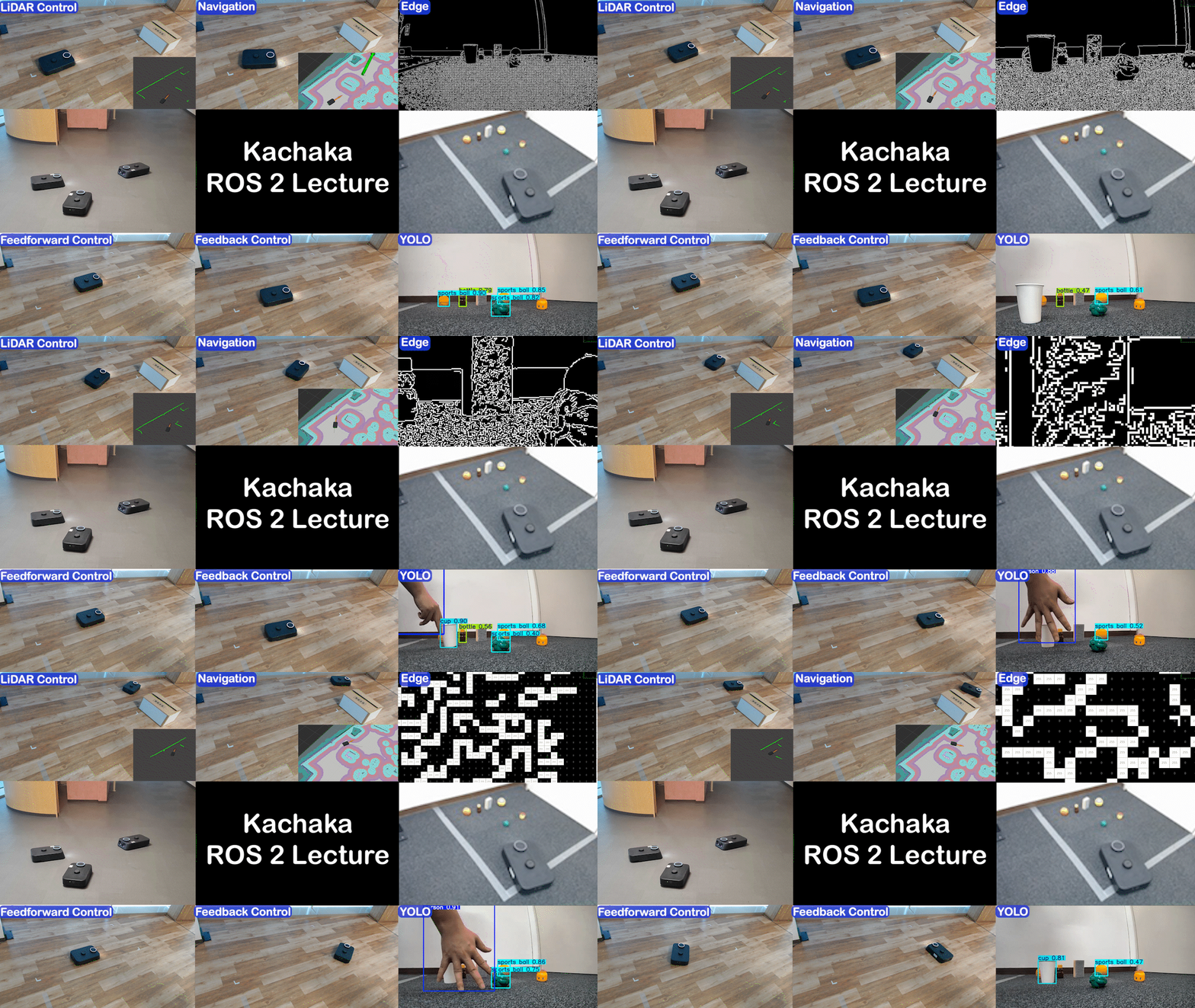
An introduction to AI robotics with Kachaka and ROS 2
A free, open textbook for learning the fundamentals of AI robotics with Kachaka and ROS 2. Available in Japanese and English and also used in university lectures.